Roses
A sun-drenched gem on the Costa Brava
About Roses
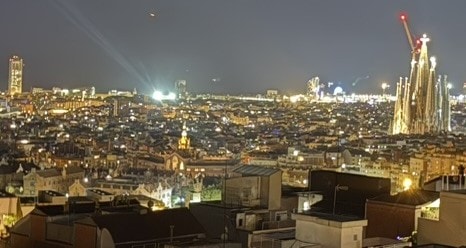
Nestled at the northern tip of the Costa Brava in Catalonia, Roses is a captivating seaside town where ancient history meets Mediterranean beauty. Its sweeping bay, clear turquoise waters, and vibrant food scene — anchored by world-class Catalan cuisine — make it one of Spain's most rewarding yet underrated coastal escapes.
A Food Lover's Paradise
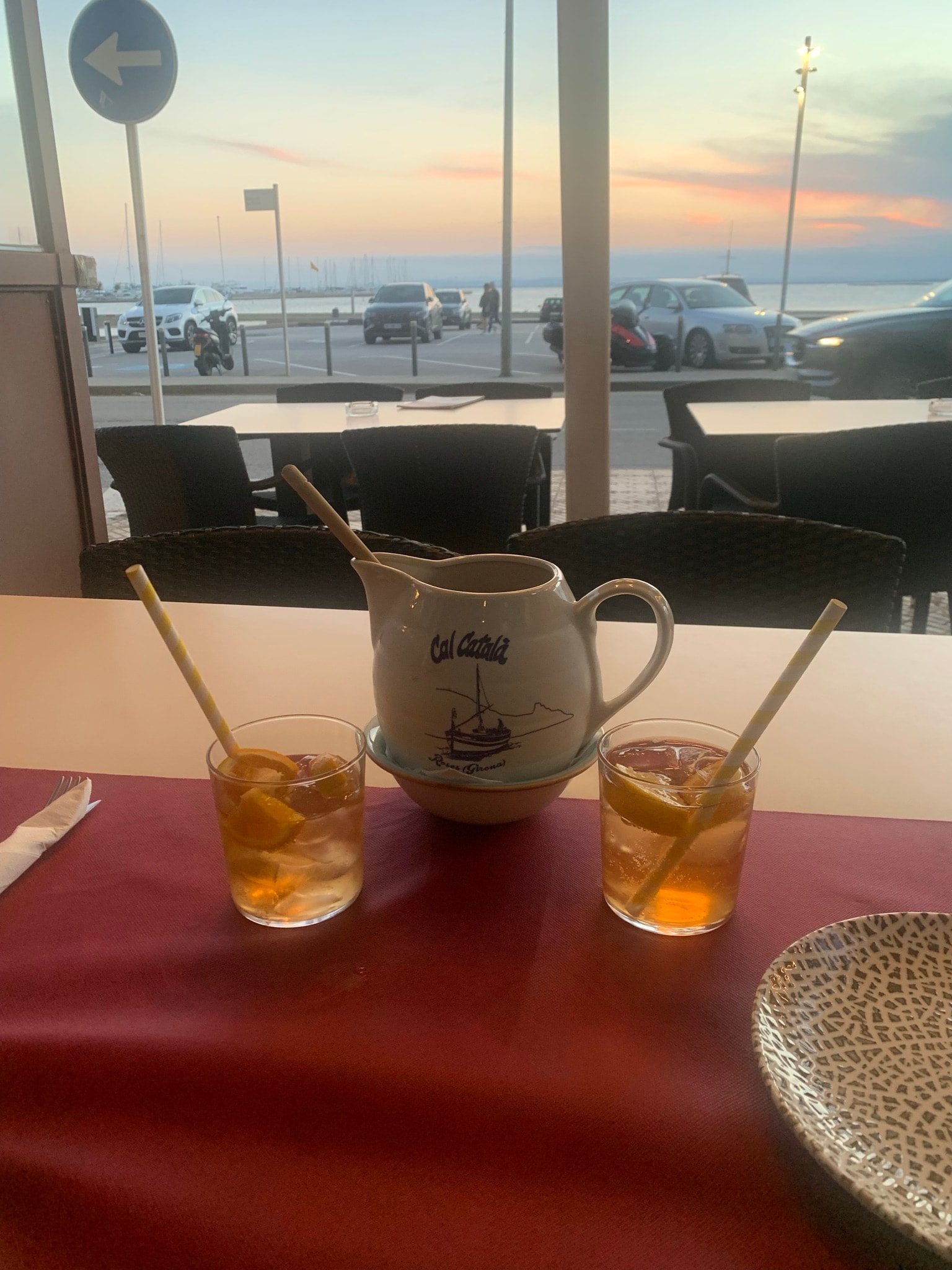
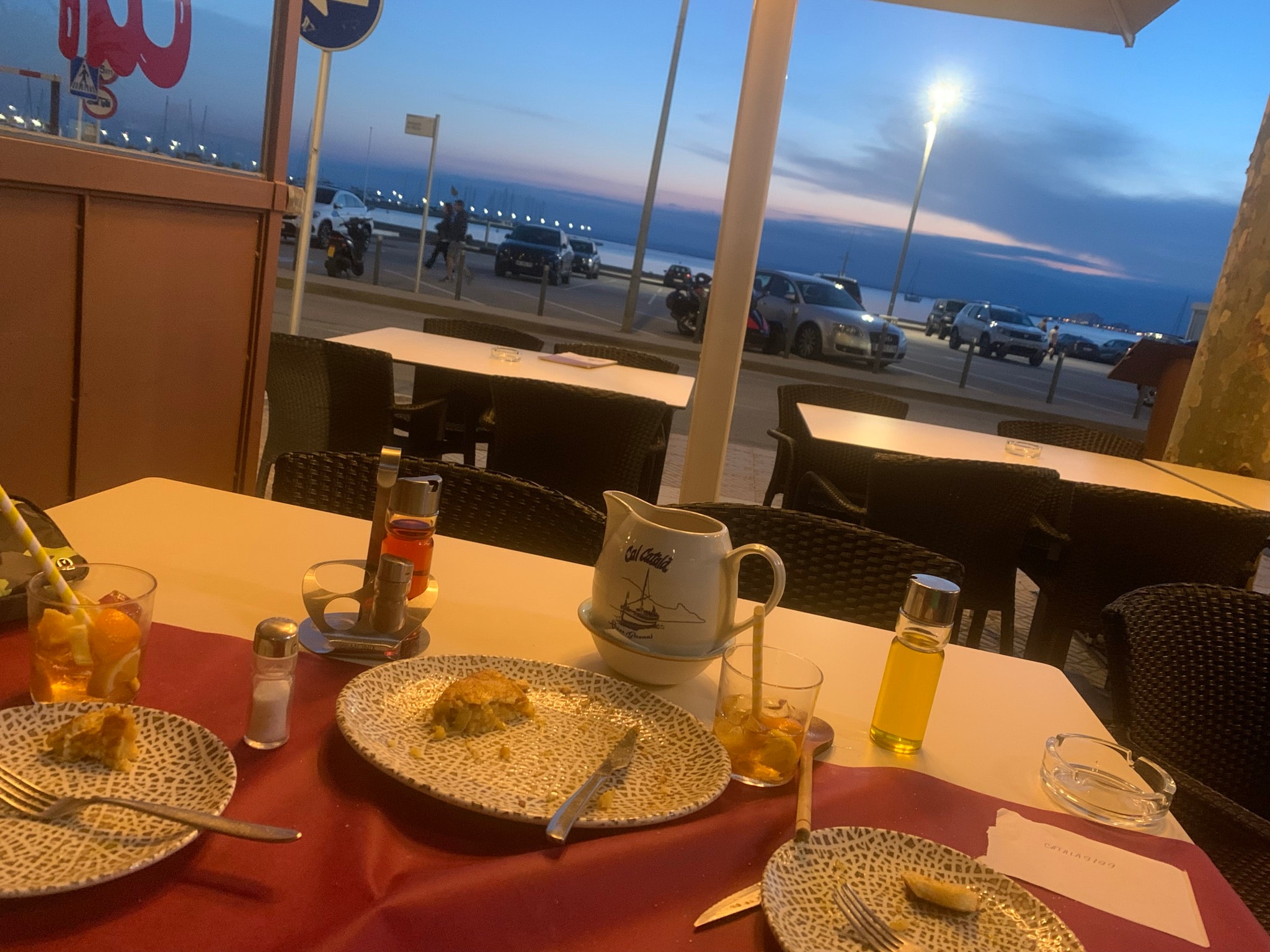
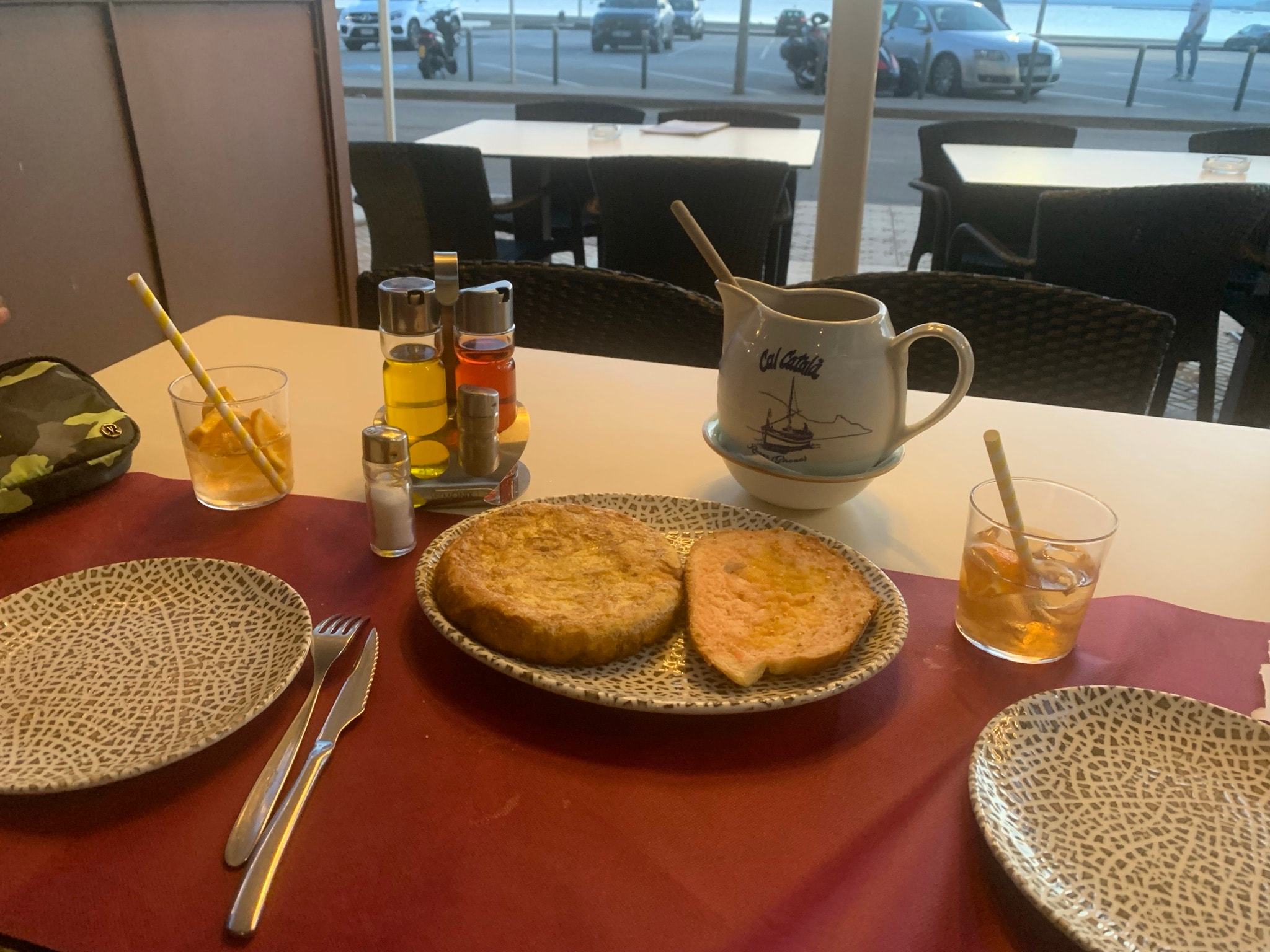
Roses sits at the heart of one of Spain's most celebrated culinary regions. The Costa Brava's rich fishing tradition means the seafood here is extraordinary — freshly caught anchovies, sea bass, and prawns prepared with the bold, honest flavors of Catalan cooking. Local restaurants like Cal Català have been serving generations of visitors with dishes rooted in the land and sea: suquet de peix (fisherman's stew), grilled razor clams, and the region's famous anchovies cured in salt. The classic pa amb tomàquet (bread rubbed with ripe tomato and olive oil) and a perfectly set tortilla española are as essential to the table as the view of the bay.
The broader Alt Empordà region surrounding Roses is also home to world-class wine, artisan olive oils, and the legendary El Bulli — Ferran Adrià's iconic restaurant that put this stretch of coastline on the global culinary map. Even today, the spirit of creative, ingredient-driven cooking permeates every meal in Roses.
A Town Written in History
Few towns on the Costa Brava carry as many layers of history as Roses. The site has been continuously inhabited for over 2,500 years — first settled by Greek colonists from Rhodes around the 8th century BC, who named it Rhodae, giving the town its modern name. The Greeks established a thriving trading port here, drawn by the sheltered bay and fertile land of the Alt Empordà plain.
The Romans followed, then the Visigoths, and later the Moors, each leaving their mark on the landscape. In the 10th century, Benedictine monks founded the Monastery of Santa Maria de Roses, which became the nucleus of the medieval town. The most dramatic landmark today is the Ciutadella de Roses — a massive 16th-century Renaissance fortress built by the Spanish Crown to defend the bay from Ottoman and French naval threats. Its star-shaped walls enclose the ruins of the Greek settlement, the Roman town, and the medieval monastery, making it one of the most remarkable archaeological sites in Catalonia.
The fortress changed hands multiple times during the wars of the 17th and 18th centuries, and was ultimately demolished by Spanish forces in 1814 to prevent it from falling to Napoleon's retreating army. Today, the Ciutadella is a UNESCO-recognized archaeological park where visitors can walk through 26 centuries of civilization in a single afternoon.
Top Highlights
- Ciutadella de Roses
- Cap de Creus Natural Park
- Catalan Seafood
- Costa Brava Beaches
At a Glance
- Location
- Spain
- Best Time to Visit
- May – June, September – October
- Difficulty
- Easy
- Type
- CoastalCultureFood
Insider Tips
Visit the Ciutadella fortress at sunset — the views over the bay are spectacular.
Book a table at Cal Catala for authentic Catalan seafood; reserve ahead in summer.
Rent a kayak to explore the hidden coves of Cap de Creus from the water.
When to Visit
Best time: May – June, September – October. Plan your trip during these windows for the most favorable weather, trail conditions, and overall experience at Roses.